

Most men assume a watch is just a tool for telling time. If it’s accurate, it’s good enough. But that thinking misses the point entirely, especially when you’re looking at mechanical luxury. For men aged 25 to 34, a watch is far more than a timekeeping device. It’s a statement about who you are, what you value, and where you’re headed. The global market for men’s luxury watches is being shaped by this generation more than any other, and the reasons go well beyond accuracy. This article breaks down what actually makes a luxury watch worth owning, how mechanical compares to quartz, why customization matters, and how heritage adds lasting value.
Table of Contents
- What makes luxury watches truly valuable?
- Mechanical vs quartz: What really matters?
- Personalization: Making your mark on luxury
- The legacy factor: Craftsmanship and heritage
- Why our approach redefines luxury for a new generation
- Discover your next signature piece
- Frequently asked questions
Key Takeaways
| Point | Details |
|---|---|
| Craftsmanship matters most | Young men’s luxury watch choices are driven by artistry and legacy, not just accuracy. |
| Mechanical vs quartz | Mechanical watches offer more lasting value, while quartz prioritizes convenience but lacks emotional connection. |
| Personalization is power | Custom options let you tell your story and create meaningful gifts or heirlooms. |
| Heritage equals investment | Watches made with traditional techniques hold value and meaning for years to come. |
What makes luxury watches truly valuable?
The price tag on a luxury watch rarely tells the whole story. What you’re really paying for is a combination of emotional resonance, social signaling, and craftsmanship that holds up over decades. These are not abstract ideas. They translate directly into how a watch feels on your wrist and how it performs as an asset over time.
Men aged 25 to 34 are key drivers in the luxury mechanical watch market today. And it’s not just about flexing a brand name. Young men are increasing their spending on luxury watches because they see them as a combination of wearable art and long-term investment.
Here’s what actually drives value in a luxury mechanical watch:
- Hand-finishing: Beveled edges, polished surfaces, and decorated movements take skilled artisans hours to complete. You can see and feel the difference.
- Brand heritage: A watchmaker with decades or centuries of history brings proven engineering and a story worth wearing.
- Resale potential: Well-maintained mechanical watches from respected makers often hold or grow in value. Quartz models rarely do.
- Meaningful customization: A watch built to your specifications carries a kind of value no off-the-shelf piece can match.
Most people don’t realize that mechanical artistry often outweighs sheer accuracy as a buying driver. A quartz watch might keep better time to the second, but it doesn’t carry the same weight, literally or figuratively. Understanding this shift in priorities is what separates a smart watch buyer from someone just chasing a logo.
For a deeper look at how craftsmanship shapes style choices, the craftsmanship and style guide is worth reading before you make any decisions. It puts the technical details into real-world context.
Studies on men’s luxury watch preferences confirm that younger buyers consistently rank uniqueness and craftsmanship above accuracy when choosing a timepiece.
Pro Tip: Before you set a budget, decide what role the watch will play in your life. Daily wear, special occasions, and investment pieces each call for different priorities.
Mechanical vs quartz: What really matters?
This is one of the most common questions new buyers ask. The honest answer is that neither is universally better. They serve different purposes, and the right choice depends on what you actually value.
Mechanical watches run on a series of tiny gears, springs, and levers. No battery required. They need to be wound, either manually or automatically through wrist movement. Quartz watches use a battery and a vibrating crystal to keep time. They’re more accurate and require almost no maintenance beyond a battery swap every few years.
Here’s a side-by-side breakdown:
| Feature | Mechanical | Quartz |
|---|---|---|
| Accuracy | ±5 to 30 seconds/day | ±15 seconds/month |
| Servicing | Every 3 to 5 years | Battery every 1 to 3 years |
| Investment value | High collectibility | Low resale value |
| Emotional appeal | Strong, artisanal | Minimal |
| Care required | Moderate | Very low |
| Prestige | High | Low to moderate |
As the automatic vs quartz comparison makes clear, mechanical watches need servicing every 3 to 5 years and are far more collectible, while quartz is more accurate and reliable but lacks prestige.
For men in the 25 to 34 range, the emotional and investment case for mechanical usually wins. You’re not buying a watch to replace your phone’s clock. You’re buying something that tells a story, rewards attention, and gets better with age.
“The ‘soul’ of a watch, its movement, its finishing, its history, matters far more to today’s young buyer than whether it gains or loses a few seconds a day.”
If you want to go further with personalization, learning about customizing watch hands is a great starting point. Small details like hand shape and finish can dramatically change the overall look of a piece. From there, the custom watch builder lets you put those ideas into practice.
Personalization: Making your mark on luxury
A luxury watch becomes truly yours when it reflects your choices, not a designer’s defaults. Personalization is no longer a niche option. It’s a core part of how young men approach luxury today.
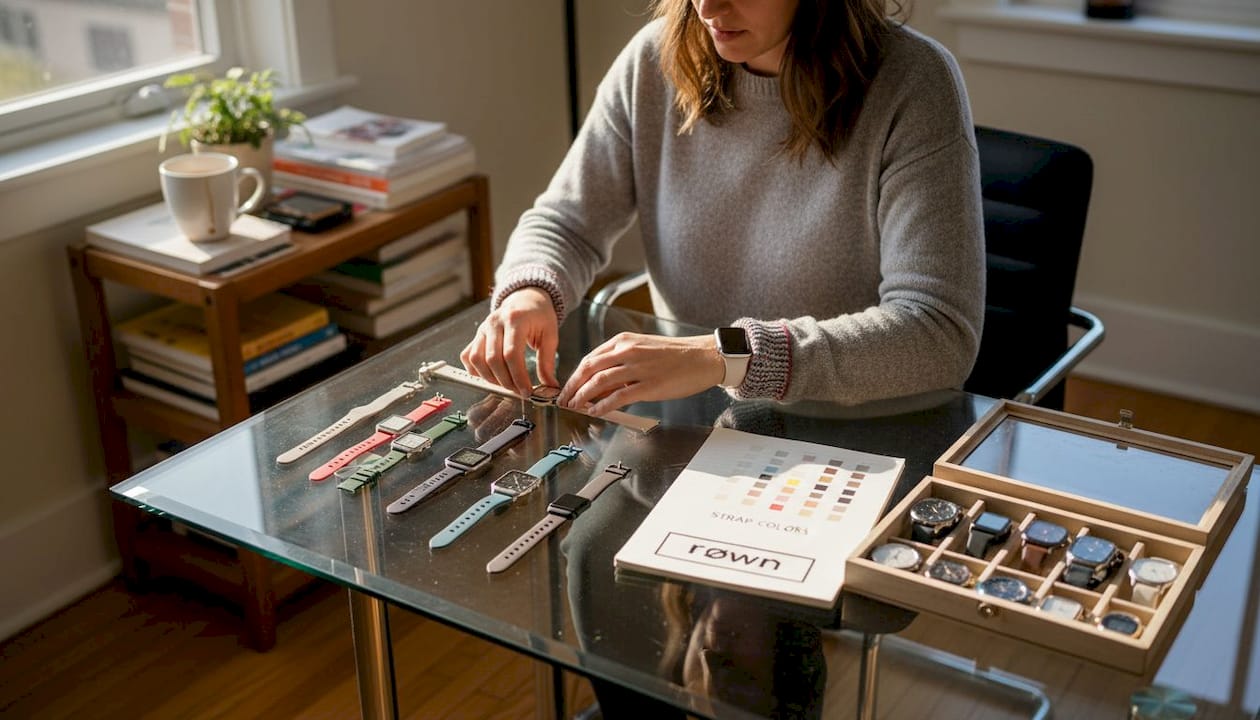
Young men seek personalization for uniqueness, emotional attachment, and status signaling. These aren’t vanity reasons. They’re about owning something that actually means something to you.
Here’s how the customization process typically works:
- Choose your case: Size, shape, and material set the foundation. Steel, titanium, and PVD-coated options each carry a different look and weight.
- Select your dial: Color, texture, and layout define the watch’s personality at a glance. Sunburst, matte, and skeleton dials all read differently.
- Pick your hands: Sword, dauphine, or baton hands change the entire visual tone. Lume-filled hands add function and style.
- Add a bezel: Smooth, fluted, or coin-edge bezels add dimension and character to the case.
- Choose your bracelet or strap: Oyster, jubilee, leather, or NATO straps each change how the watch wears and feels daily.
- Consider engraving: A date, initials, or short phrase on the caseback turns a watch into a personal artifact.
Here’s a look at what men 25 to 34 most commonly customize:
| Component | Most popular choice |
|---|---|
| Dial | Sunburst or skeleton |
| Case material | Stainless steel |
| Hands | Sword with lume |
| Strap | Stainless bracelet |
| Engraving | Initials or date |
If you want to learn the full process, the guide on how to build your own watch walks you through every step in plain language. And the customization platform makes it easy to see your choices come together in real time.
Pro Tip: Prioritize components that reflect your personal story, not just what’s trending. A watch you designed around a meaningful moment will always feel more valuable than one you copied from a social media post.
The legacy factor: Craftsmanship and heritage
Some watches are bought. Others are built to last generations. The difference comes down to craftsmanship and the traditions behind the movement.
Heritage-driven watchmaking involves processes that can’t be rushed. Hand-finishing each component, using historic movements with proven track records, and producing pieces in small batches all contribute to a watch that wears differently than a mass-produced model. You feel it in the weight, the smoothness of the crown, and the way the seconds hand sweeps rather than ticks.
Mechanical pieces, when properly cared for, can last generations and retain value. That’s not marketing language. It’s the practical result of quality materials and skilled assembly.
Here’s why heritage and craftsmanship matter beyond the surface:
- Proven engineering: Movements with decades of refinement are more reliable and easier to service.
- Emotional weight: A watch built on tradition carries a story that connects you to something larger than a single purchase.
- Heirloom potential: A well-maintained mechanical watch can be passed down, gaining sentimental value with every generation.
- Collector appeal: Limited production and artisanal finishing make heritage pieces more desirable in the secondary market.
“A watch built with intention and skill doesn’t just tell time. It tells your story, and eventually, someone else’s.”
The luxury watch market continues to grow precisely because buyers recognize this long-term value. For guidance on keeping your piece in top condition, the watch care essentials page covers everything from storage to servicing schedules. And if you want to understand the deeper design philosophy behind open-heart and artisanal pieces, the craftsmanship traditions guide is essential reading.
Why our approach redefines luxury for a new generation
Conventional luxury marketing has always leaned on exclusivity. The message is simple: own this, and people will know you’ve arrived. But that formula is losing its grip on men aged 25 to 34. This generation doesn’t just want a status symbol. They want a piece that’s distinctly theirs.
The shift isn’t subtle. Young men today are less impressed by brand logos and more interested in the story behind what they wear. Soulful craftsmanship, genuine heritage, and a unique build matter far more than a name on a dial.
Customization isn’t a trend. It’s personal legend-building. When you choose every component of your watch, you’re not just buying an accessory. You’re creating an artifact that represents a specific chapter of your life.
Our approach at Røwn is built around this reality. We believe accessible exclusivity is the future of luxury. You shouldn’t need a six-figure budget to own something meaningful and well-made. The guide on the real value of customization captures this philosophy well.
Our advice: invest in what reflects your legacy, not what makes others envious. That’s the watch worth wearing.
Discover your next signature piece
If this article has shown you anything, it’s that a great watch is more than a purchase. It’s a decision about how you want to show up in the world. Røwn makes it possible to act on that decision with real creative control.
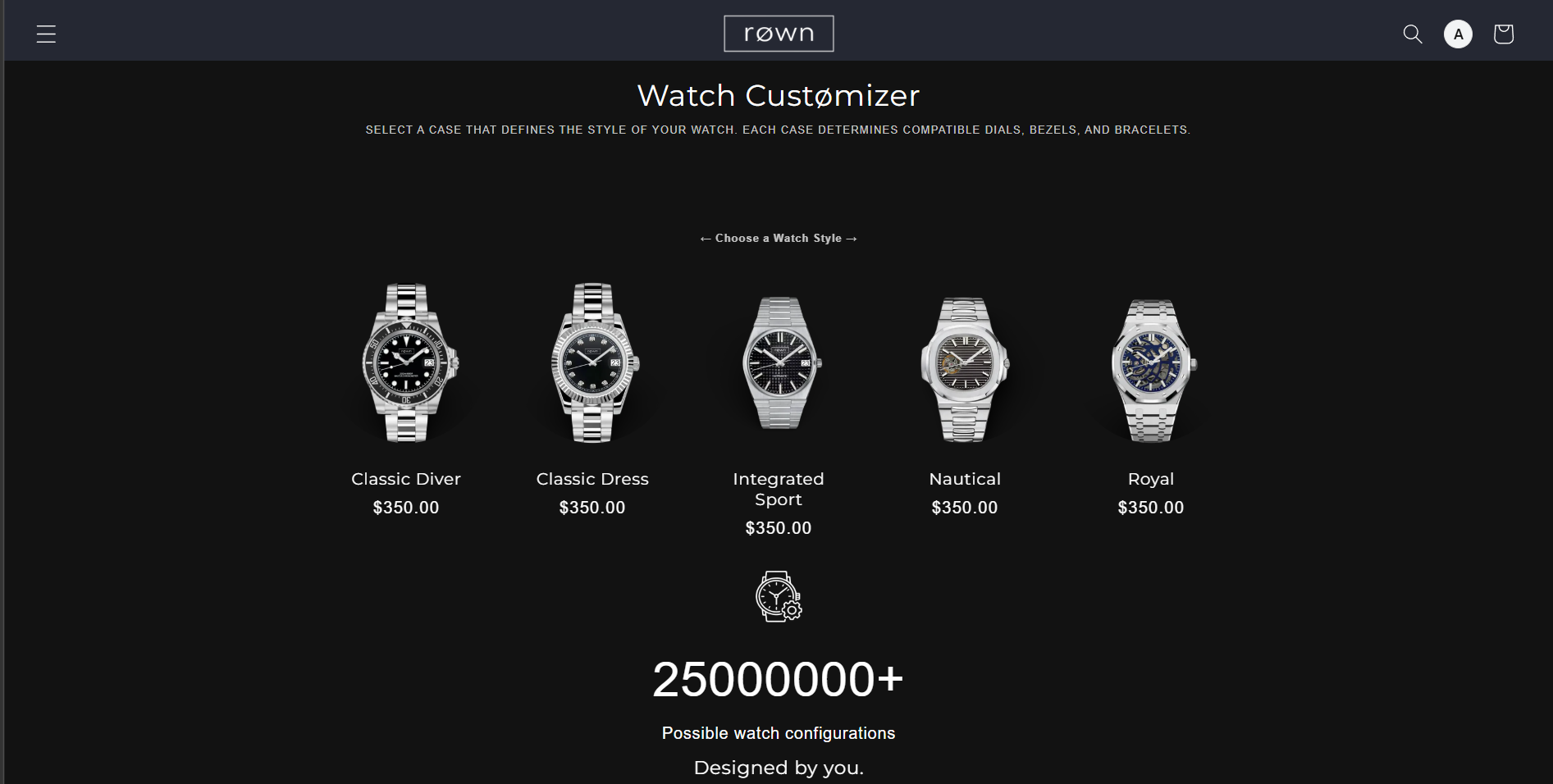
Start by browsing the full range of men’s watches to get a feel for what’s possible. If you’re ready to go custom, the custom GMT is one of the most popular builds for men who want a functional complication with a personal touch. And don’t overlook the bracelets collection to complete the look. Every piece is built with the same commitment to craftsmanship and personalization that this article has been about. Free shipping and a strong customer rating back that up.
Frequently asked questions
Why do men 25-34 prefer mechanical luxury watches over quartz models?
Mechanical watches offer more prestige, lasting craftsmanship, and investment value, which men in this age group consistently find more meaningful than quartz accuracy. The artistry and collectibility of a mechanical movement are simply not replicable in a battery-powered watch.
Is customizing a watch worth it for a first-time luxury buyer?
Yes. Personalization is a rising driver among young buyers because it creates a piece with genuine emotional meaning and a look that no one else has. A custom watch also grows in sentimental value in a way a standard model rarely does.
How often do mechanical watches need servicing?
Mechanical watches need servicing every 3 to 5 years to maintain accuracy and ensure the movement lasts for generations. Skipping service intervals can lead to wear on internal components that is costly to repair.
Can custom luxury watches be good investment pieces?
High-quality mechanical watches from reputable makers often retain or grow in value, especially when customized or produced in limited numbers. The combination of craftsmanship, personalization, and scarcity is what drives long-term collectibility.