

TL;DR:
- True custom watches involve engraving, enamel art, and automations, reflecting craftsmanship and storytelling.
- Customization options range from factory bespoke to aftermarket modifications, each with different costs and risks.
- Proper care, documentation, and servicing are essential to maintain the value and longevity of a bespoke timepiece.
Most people think customizing a watch means swapping a strap or picking a different color dial. That assumption barely scratches the surface. True custom watchmaking involves engraving movements, commissioning hand-painted enamel dials, and even programming animated mechanical scenes called automations. It is a craft that sits at the intersection of fine art and precision engineering. This guide walks you through every level of watch personalization, from factory bespoke commissions to professional customizers and aftermarket modifications, so you can make a choice that reflects both your taste and your values.
Table of Contents
- Understanding custom watches: Beyond aesthetics
- Levels of customization: Factory, pros, and aftermarket
- Signature techniques: Engraving, enamel, and automations
- How to commission your custom watch: The step-by-step process
- Owning custom: Care, service, and value
- Why true custom craftsmanship sets you apart
- Ready to create your own custom timepiece?
- Frequently asked questions
Key Takeaways
| Point | Details |
|---|---|
| Custom goes beyond looks | Artistry, provenance, and mechanical craftsmanship define a truly personalized timepiece. |
| Choose your customization path | Factory bespoke, professional, and aftermarket each have unique benefits and tradeoffs. |
| Signature techniques matter | Engraving, enamel dials, and automations add lasting value and make each watch unique. |
| Proper care preserves value | Expert servicing and documentation are essential to maintain your custom watch’s longevity and worth. |
Understanding custom watches: Beyond aesthetics
When most people hear “custom watch,” they picture a colorful strap or a monogrammed case back. But luxury watches crafted for your style go much further than surface decoration. True customization is about combining artistry, technical skill, and lasting value into a single wearable object.
At the highest level, bespoke watchmaking involves choices that affect every visible and mechanical element of the piece. Consider what brands like Blancpain offer through their Métiers d’Art program. Their bespoke customization options include engraving dials, rotors, and bridges with intricate patterns or personal imagery, creating hand-painted enamel dials from photographs or paintings, and adding automations, which are animated mechanical scenes that play out on minute repeater models. Some of those automations have historical roots dating back centuries, with certain figurative scenes revived as recently as 1993.
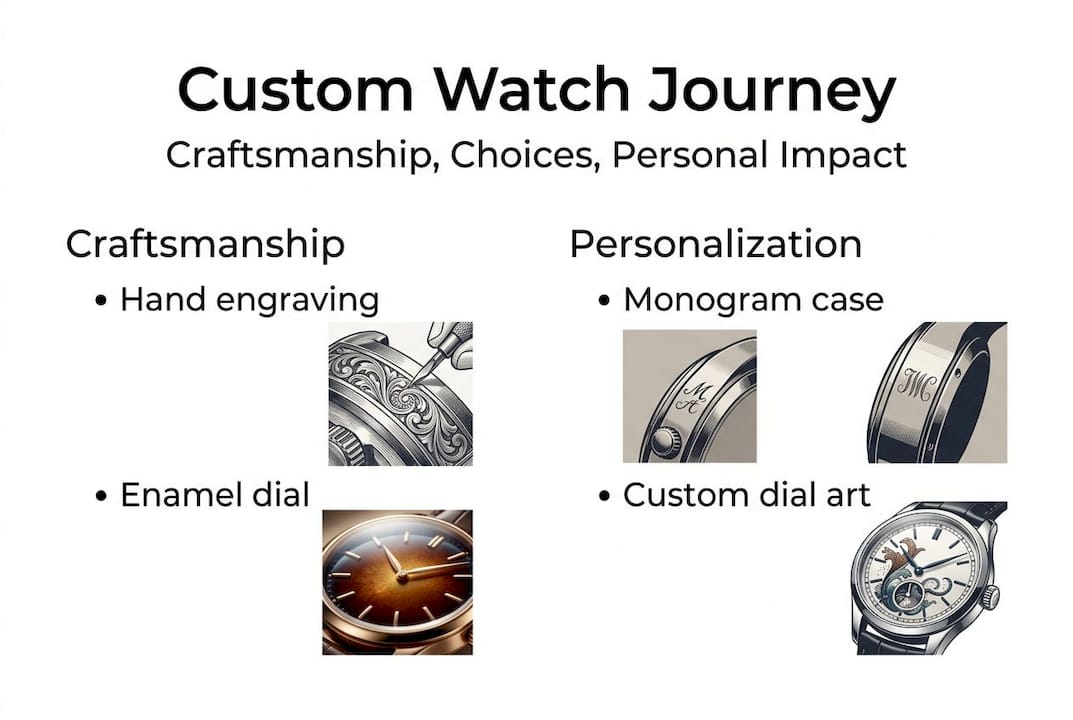
That level of craft is not decoration. It is storytelling through engineering.
Here is what separates genuine custom work from simple modifications:
- Engraving on movement parts creates a permanent, personal record inside the watch
- Hand-painted enamel dials are fired at high temperatures, making them vibrant and fade-resistant for generations
- Automations require miniature mechanical engineering and are unique to each commission
- Provenance documentation ties the piece to its owner and creation story
- Artisan hours are built into the price, reflecting real skill and time
“A custom watch is not just a product. It is a record of who you were when you commissioned it, and who you want to be remembered as.”
Understanding why provenance matters is key here. Provenance, meaning the documented origin and history of a piece, affects both emotional value and financial value. A watch with a clear commission story and original paperwork is far more meaningful and often more valuable than one without.
Custom watches reflect the owner’s personality in a way that off-the-shelf pieces simply cannot. That is the core distinction.
Levels of customization: Factory, pros, and aftermarket
With a clear definition in place, let’s examine the practical routes you can take. There are three main paths, and each comes with its own trade-offs.
| Customization level | Artistry | Cost | Timeline | Serviceability |
|---|---|---|---|---|
| Factory bespoke | Highest | Highest | 6 to 18+ months | Excellent |
| Professional customizer | High | Mid to high | 2 to 6 months | Good |
| Aftermarket modification | Variable | Lowest | Days to weeks | Risk of issues |
Factory bespoke means working directly with the brand. You get access to their in-house artisans, original materials, and full service support for the life of the watch. The benefits of custom and bespoke watches at this level include guaranteed authenticity and long-term serviceability. The trade-off is cost and time.
Professional customizers sit in the middle. They offer creative flexibility that brands sometimes do not, and they can work with existing watches you already own. Quality varies, so vetting their portfolio is essential. Timelines and costs are higher than aftermarket but lower than factory.
Aftermarket modifications are the most accessible option. Changing custom strap options, swapping bezels, or adding aftermarket dials can refresh a watch quickly. However, factory bespoke prioritizes longevity and artistry over modding’s affordability. Aftermarket work risks service complications, while professional customizers offer provenance but at higher costs and longer timelines.
Pro Tip: Before choosing a customization route, ask yourself whether this watch is for daily wear, investment, or legacy. Your answer will point you toward the right level.
Signature techniques: Engraving, enamel, and automations
Knowing the customization levels, let’s focus on the specific techniques that define high-end custom watches. These are the methods that separate bespoke from basic.
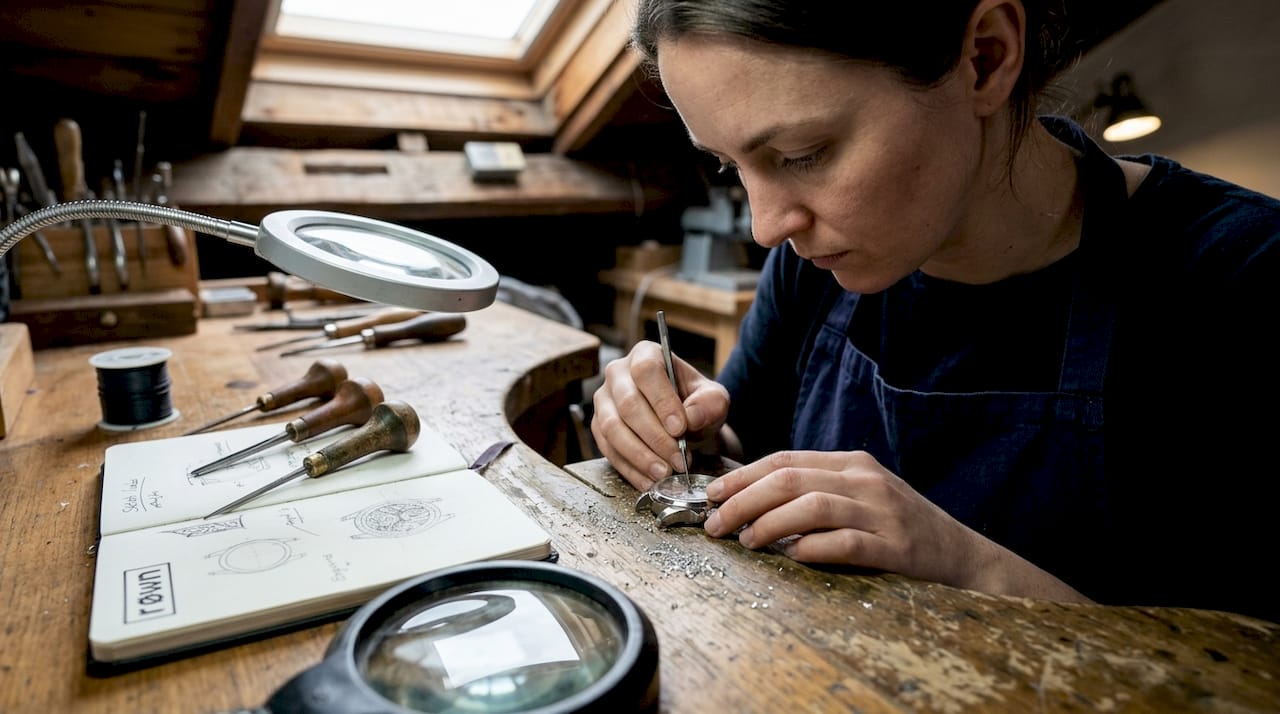
Engraving is the most personal of the three. Artisans use hand gravers or laser tools to cut patterns, initials, portraits, or decorative motifs into metal surfaces. The rotor (the spinning weight inside an automatic watch), the case back, and even bridges inside the movement are all fair targets. Engraving takes hours of focused work and the results are permanent.
Hand-painted enamel dials are among the most labor-intensive elements in watchmaking. Enamel is a glass-based compound applied in thin layers and fired in a kiln after each coat. Blancpain’s Métiers d’Art models include engraving, hand-painted enamel dials, and animated automations as core bespoke offerings. The firing process locks in color permanently, which is why enamel dials do not fade even after decades of wear.
Automations are the rarest and most complex technique. These are miniature animated scenes built into the movement, often triggered by the minute repeater mechanism (a complication that chimes the time on demand). Scenes can depict historical events, nature, or figurative art. The engineering required is extraordinary.
Here is a quick comparison of the three techniques:
| Technique | Location on watch | Durability | Complexity | Cost range |
|---|---|---|---|---|
| Engraving | Case, rotor, bridges | Very high | Medium | $500 to $10,000+ |
| Enamel dial | Dial face | Exceptional | Very high | $2,000 to $50,000+ |
| Automation | Movement | High | Extreme | $20,000 to $200,000+ |
Each of these techniques requires a specialist artisan. You cannot outsource this work to a generalist. Exploring unique dial designs can help you understand what is possible before you commit to a commission.
The key takeaway: artisan skill is what makes bespoke watches worth their price. It is not the materials alone.
How to commission your custom watch: The step-by-step process
Having discussed the art and options, here is how to bring your dream watch to life. The process is more structured than most people expect.
- Define your vision. Start with inspiration. What story do you want this watch to tell? Think about meaningful dates, family crests, travel memories, or artistic influences. Write it down before you speak to anyone.
- Set your budget and timeline. Be realistic. Factory-level enamel dials are built for longevity and artistry, and that comes at a price. Know your ceiling before the conversation starts.
- Choose your components. Select the movement type, case material, dial material, hands style, and strap. A build your own watch guide can help you understand which components affect the final look and feel most.
- Select your artisan techniques. Decide whether you want engraving, enamel work, or other finishing. Think about customizing watch hands to add another layer of personalization.
- Review proposals and renderings. Any reputable brand or customizer will provide design renderings before work begins. Ask questions. Request changes. This is your watch.
- Confirm documentation. Ensure you receive certificates of authenticity, design records, and service history documentation at delivery.
Pro Tip: Avoid over-customizing. Choosing too many competing elements, different metals, multiple dial techniques, and unusual hands, often results in a cluttered design. Restraint is a sign of good taste.
Also consider matching your style before finalizing your design. A watch that fits your wardrobe and lifestyle will get worn. One that does not will sit in a drawer.
Owning custom: Care, service, and value
Once you own a custom timepiece, ownership is about more than just wearing it. Protecting your investment requires attention to care, servicing, and documentation.
Custom watches, especially those with unique dials or mechanical complications, often need specialist servicing. Not every watchmaker is qualified to work on a hand-painted enamel dial or a minute repeater automation. Always return to the original brand or a certified specialist.
Here is what smart ownership looks like:
- Service on schedule. Most mechanical watches need servicing every 5 to 7 years. Custom pieces may require more frequent checks if they include complex complications.
- Store properly. Keep your watch in a dry, temperature-stable environment. Avoid magnetic fields, which can disrupt the movement.
- Document everything. Service records, original certificates, and commission paperwork are critical. They protect your investment and support resale value.
- Insure your piece. A bespoke watch is a significant asset. Specialized watch insurance is worth the cost.
- Avoid unnecessary modifications after delivery. Factory-level bespoke retains serviceability and authenticity, while aftermarket modifications risk warranty coverage and long-term care options.
“The value of a custom watch is not just in what it costs today. It is in how well it is maintained and documented over its lifetime.”
Understanding automatic watch craftsmanship helps you appreciate why servicing matters so much. The movement is a living mechanism, and movement design in luxury watches directly affects how your watch feels and performs over decades.
Why true custom craftsmanship sets you apart
Here is an opinion worth stating directly: swapping a strap or adding an aftermarket bezel is not customization in any meaningful sense. It is decoration. Real custom watchmaking is about narrative, artistry, and permanence.
Few possessions can carry a person’s story the way a bespoke watch can. The engraving on the rotor, the enamel scene on the dial, the specific complication chosen for a reason only you understand. These are not features. They are decisions that reflect who you are.
The watch industry sometimes blurs the line between personalization and customization to sell more products. Do not be misled. A watch with your name laser-printed on a generic dial is not the same as a commission built around your vision by a skilled artisan.
Over a lifetime, a properly crafted custom watch grows in meaning. It becomes an heirloom. It tells the next generation something true about the person who wore it. That is incomparable. Luxury watches and individual style are inseparable when the watch is truly yours.
Owning a custom watch is an ongoing relationship with both engineering and art. That relationship rewards patience, intention, and care.
Ready to create your own custom timepiece?
If this guide has sparked something, you are in the right place. At Røwn Jewelry, we make it straightforward to design a watch that is genuinely yours.
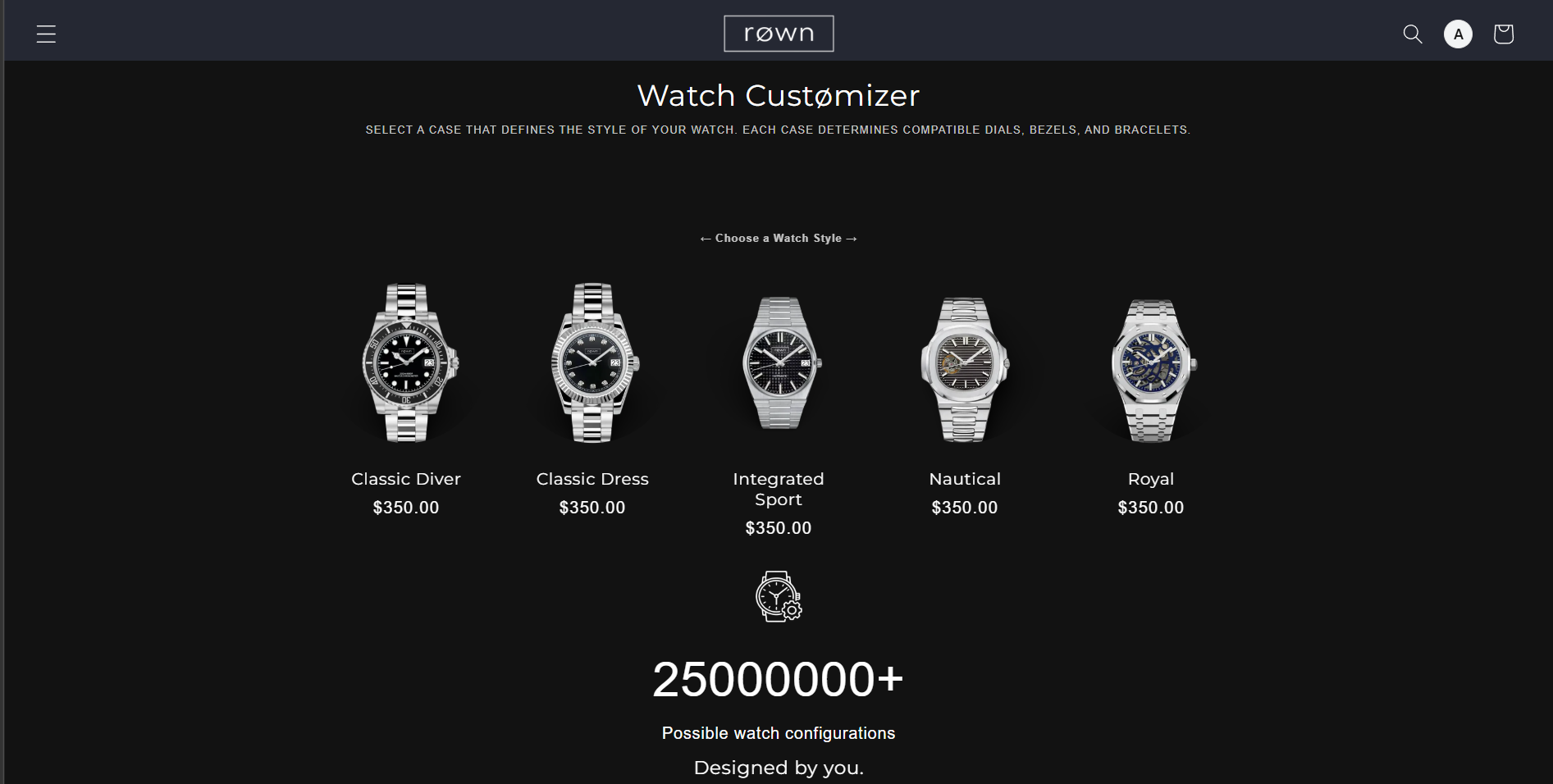
Browse our men’s custom watches or explore women’s custom watches to see the range of styles and components available. If you want to get hands-on right away, start customizing with our diver model and experience how intuitive the build process can be. Every component you choose brings you closer to a timepiece that reflects your personality, your story, and your standard of quality.
Frequently asked questions
How do I know if a custom watch is truly bespoke?
A truly bespoke watch is crafted around personal elements like original engravings, hand-painted dial art, or unique automations. Brands like Blancpain define bespoke through engraving dials and rotors, enamel painting from personal photos, and animated mechanical scenes, not simple stock modifications.
What are the main risks of aftermarket watch customization?
Aftermarket modifications can void your warranty, complicate future servicing, and reduce provenance. Aftermarket risks service issues that factory bespoke avoids by keeping the watch within the brand’s certified service network.
Do custom dials fade or lose vibrancy over time?
Enamel dials are exceptionally durable. Because they are fired at high temperatures, enamel dials don’t fade and retain their color and detail across generations of wear.
Should I keep documentation for a custom watch?
Absolutely. Certificates of authenticity, commission records, and service history preserve your watch’s value, support insurance claims, and make resale far more straightforward.
What’s the typical timeline for commissioning a bespoke watch?
Expect anywhere from six months to well over a year, depending on the complexity of the design, the artisan techniques involved, and the brand’s current production schedule.