

TL;DR:
- Watch customization allows personal expression by modifying components like dials, hands, cases, and movements.
- Quality execution and professional work are crucial to avoid damage and ensure lasting value.
- Starting with simple swaps like straps can help refine your style before making irreversible changes.
Most people assume luxury watches are meant to be worn exactly as they leave the factory. That assumption is costing you something real: the chance to own a timepiece that actually reflects who you are. Watch customization has grown from a niche hobby into a mainstream movement among serious enthusiasts, and the quality ceiling has never been higher. This guide covers everything you need to know, from the basics of what customization means to the practical steps for getting it right. Whether you want a one-of-a-kind dial or a movement upgrade, you are in the right place.
Table of Contents
- What is watch customization?
- Popular customization options for luxury watches
- Quality, costs, and common pitfalls
- How to get started: Practical steps for customizing your watch
- Our take: What most guides miss about watch customization
- Luxury customization options at røwn
- Frequently asked questions
Key Takeaways
| Point | Details |
|---|---|
| Customization defined | Watch customization allows you to personalize every aspect of your timepiece, from mechanics to appearance. |
| Top options revealed | Popular choices include custom straps, dials, hands, and gem settings with varying cost and complexity. |
| Quality is crucial | Professional craftsmanship and high-end materials are vital to ensuring both longevity and value. |
| Avoid common pitfalls | Always vet providers and avoid shortcuts like poor coatings or uneven gem settings. |
| Personal expression matters | True customization is about capturing your unique style and preferences, not just following trends. |
What is watch customization?
Watch customization means modifying one or more components of a timepiece to change its appearance, function, or feel. It goes well beyond swapping a strap. You can alter the dial, hands, case, bezel, crown, and even the movement inside. The goal is to create a watch that fits your personality, lifestyle, and aesthetic preferences rather than settling for what a brand decided was universal.
It helps to understand how customization differs from the alternatives:
- Retail watches are mass-produced to appeal to the widest possible audience. You pick from what exists.
- Custom watches start with an existing base and modify specific components. This is the most accessible route for enthusiasts.
- Bespoke watches are built entirely from scratch, often by a master watchmaker, and carry a significant price premium.
Most enthusiasts fall into the custom category. You choose a base movement, then select components that express your style. If you want to see how this works in practice, the process of learning to build your own watch is more accessible than most people expect.
The components you can typically modify include:
- Dials: Color, texture, material (sunburst, matte, meteorite, enamel)
- Hands: Shape, finish, lume color (dauphine, sword, cathedral styles)
- Cases and bezels: Steel, titanium, gold-tone, ceramic
- Straps and bracelets: Leather, rubber, NATO, mesh, oyster-style
- Movements: Upgrading from a basic automatic to a higher-grade caliber
“Professional execution is crucial when customizing luxury watches. Costs and quality benchmarks vary widely, and the difference between a stunning result and a disappointing one often comes down to who does the work.”
This is worth taking seriously. A poorly executed modification does not just look bad. It can damage the watch’s water resistance, affect timekeeping accuracy, and reduce resale value. Quality matters at every step.
Popular customization options for luxury watches
Now that customization is clear, let’s explore the options luxury watch enthusiasts most often choose.
Strap and bracelet upgrades are the easiest starting point. A different strap changes the entire personality of a watch. A steel bracelet feels dressy and substantial. A rubber strap reads as sporty and modern. A handstitched leather strap adds warmth and formality. The cost is low, and the impact is immediate. Explore custom watch straps to see how much variety is available.
Dial modifications are where things get visually dramatic. Swapping to a skeleton dial reveals the movement underneath. A meteorite or enamel dial turns a standard watch into a conversation piece. You can learn more about choosing unique watch dials to match your personal style.
Hand modifications are subtle but powerful. Changing from simple stick hands to cathedral or sword-style hands shifts the entire visual tone. You can also change lume color, from green to blue or red, for a look that stands out. A full breakdown of how to customize watch hands covers the options in detail.
Gem and material additions include diamond-set bezels, sapphire crystals, and gold-plated components. These elevate the luxury factor significantly but require expert handling. Uneven gem settings and coating wear are among the most common pitfalls when this work is done without professional oversight.
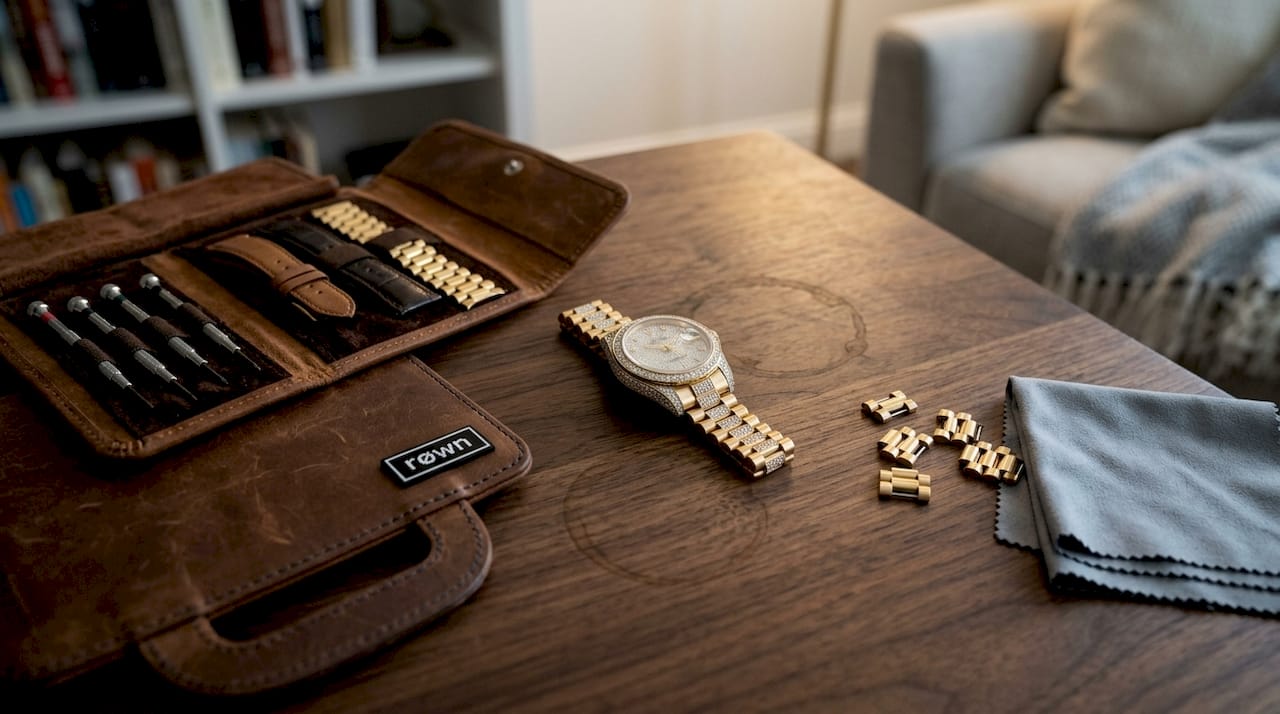
Here is a quick comparison to help you decide where to start:
| Customization type | Estimated cost | Complexity | Visual impact |
|---|---|---|---|
| Strap or bracelet swap | $30 to $300 | Low | Medium |
| Dial replacement | $100 to $800 | Medium | High |
| Hand modification | $80 to $400 | Medium | Medium |
| Gem or material addition | $500 to $5,000+ | High | Very high |
| Movement upgrade | $300 to $2,000+ | High | Internal |
Pro Tip: Start with a strap swap before committing to irreversible changes. It gives you a feel for how much a single modification can shift the watch’s character, and it is completely reversible.
Quality, costs, and common pitfalls
Understanding your options reveals the importance of choosing wisely, especially when it comes to quality and price.
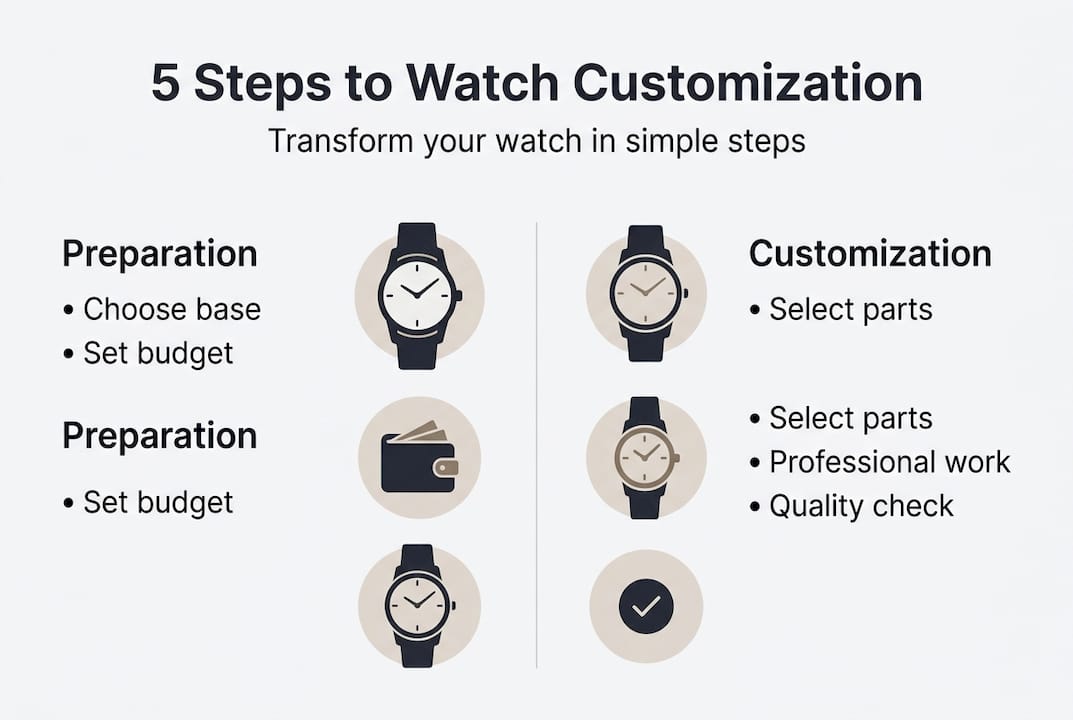
Customization costs are driven by three main factors: materials, complexity, and the reputation of the provider. A basic dial swap using a stock component costs far less than a hand-painted enamel dial sourced from a specialist. Movement upgrades require a skilled watchmaker and carry both parts and labor costs. Costs vary widely with no fixed industry standard, which means you need to do your research before committing.
Here is a general breakdown by category:
| Cost tier | Typical range | What it covers |
|---|---|---|
| Entry level | $50 to $300 | Strap swaps, basic hands |
| Mid range | $300 to $1,500 | Dial replacements, case work |
| Premium | $1,500 to $5,000 | Gem settings, movement work |
| Bespoke | $5,000 and above | Full custom builds |
The most common pitfalls to avoid:
- Cheap coatings: PVD and DLC coatings vary enormously in quality. A low-grade coating chips and fades within months.
- Imprecise gem settings: Stones that are not set correctly can loosen, fall out, or scratch the crystal.
- Unvetted providers: Anyone can claim expertise online. Ask for references, photos of past work, and details about their process.
- Ignoring water resistance: Opening a watch case to modify internals can compromise the seal if not properly reassembled.
- Chasing trends: A modification that looks current today may feel dated in three years.
Pro Tip: Before hiring any provider, ask specifically how they handle water resistance testing after reassembly. A professional will have a clear answer. If they hesitate, look elsewhere.
For context on what separates quality execution from shortcuts, reading about luxury watches crafted to a high standard gives you a useful reference point. If you are considering a gift, a guide to gifting luxury watches also covers what makes a customized piece meaningful and lasting. Understanding the broader landscape of branded watches helps you evaluate where customization adds the most value.
How to get started: Practical steps for customizing your watch
Knowing the risks and rewards, here’s how you can confidently customize your own timepiece.
The process does not need to be overwhelming. Follow these steps and you will move from idea to finished watch with confidence.
- Define your vision. What do you want the watch to say about you? Sporty, elegant, bold, minimal? Write it down. This keeps you focused when you are faced with hundreds of options.
- Research your base movement. The movement is the engine. Understanding automatic vs manual movement differences helps you choose a base that suits your lifestyle and maintenance preferences.
- Study component options. Look at dials, hands, cases, and straps separately. Read about mechanical watch design to understand how components interact visually and mechanically.
- Choose a reputable provider. Look for transparency, references, and a clear process. A good provider will ask you questions, not just take your money.
- Review proofs before finalizing. Many providers offer digital mockups or physical samples. Use them. Changes are far cheaper before production than after.
When speaking with providers, ask these questions:
- What materials do you use for coatings and settings?
- How do you test water resistance after reassembly?
- Can I see examples of completed builds similar to mine?
- What is your turnaround time and revision policy?
- Do you offer any warranty on your work?
Professional execution is essential to avoid the most common pitfalls and to maximize the long-term value of your investment. Also consider how your choices affect resale. Highly personal modifications, like a dial engraved with your name, add meaning but reduce appeal to future buyers. Neutral upgrades, like a higher-grade movement or a premium case finish, tend to hold value better. Check out these watch style tips for guidance on balancing personal taste with lasting appeal.
Our take: What most guides miss about watch customization
Most customization guides focus entirely on aesthetics. Pick a dial, choose a strap, done. But the watches that truly stand out are the ones built around a point of view, not a trend.
We have seen enthusiasts spend thousands chasing whatever is popular on watch forums, only to feel disconnected from the result six months later. A meteorite dial is stunning. But if it does not reflect anything about you, it is just expensive decoration.
The best customized watches are the ones where every decision has a reason. The lume color matches a personal color palette. The case size fits the wrist it lives on. The movement was chosen because the owner understands and appreciates what it does.
Cutting corners on execution is the other mistake we see constantly. A beautiful design executed poorly is worse than a simple design done well. If you are serious about luxury hands customization or any other modification, invest in the right hands to do the work. The difference is visible and lasting.
Customization is personal expression. Make sure it actually expresses something.
Luxury customization options at røwn
If you are ready to move from research to reality, røwn is built for exactly this moment. Every component is selected with quality and personalization in mind, so you are not choosing between what looks good and what lasts.
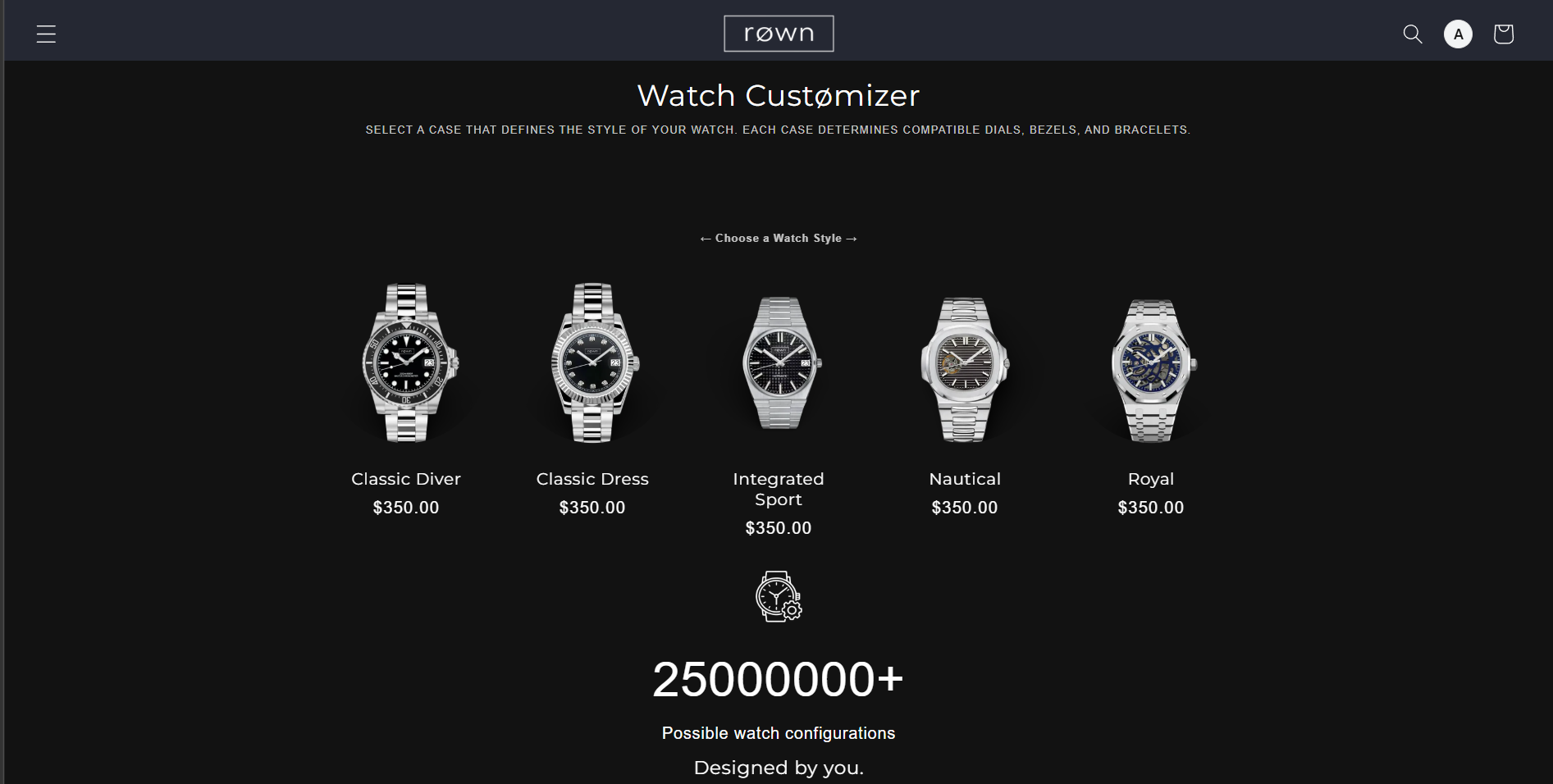
Browse the full range of men’s luxury watches to find a base that matches your vision, or go straight to the custom diver model if you want a starting point with serious character. From dials to movements to straps, røwn gives you the tools to build something genuinely yours. Free shipping and a premium craftsmanship standard mean you can focus on the design, not the logistics.
Frequently asked questions
How much does watch customization typically cost?
Costs vary widely depending on materials, complexity, and the expertise of the provider, ranging from a few hundred dollars for simple modifications to several thousand for premium work.
What parts of a watch can be customized?
You can modify straps, dials, hands, cases, bezels, and internal movements and components, depending on the watch and the provider you choose.
Are customized watches harder to resell?
Highly personal modifications can reduce resale appeal, while quality upgrades like premium movements or refined case finishes tend to maintain or add value over time.
How do I ensure my customization lasts?
Work with vetted professionals, use premium materials, and confirm that water resistance is tested after any case work to ensure the watch performs as well as it looks.